
Introduction
Nightshade sensitivity test is a simple method to understand how your body reacts to nightshade vegetables like tomatoes, potatoes, and peppers. While these foods are healthy for most people, some individuals may experience symptoms such as inflammation, acne, or digestive issues. Identifying this sensitivity can help you make better dietary choices and improve overall health. In this guide, you’ll learn how to perform a nightshade sensitivity test step by step.
What Is Nightshade Sensitivity?
Nightshade sensitivity refers to how your body reacts to vegetables like tomatoes, potatoes, and peppers. While most people tolerate them well, some individuals may experience symptoms such as:
• Skin irritation or acne
• Joint pain
• Digestive discomfort
If you’re new to this topic, read our detailed guide on what are nightshade vegetables.

How to Do a Nightshade Sensitivity Test (Step-by-Step)
Step 1: Eliminate Nightshades (2–3 Weeks)
Avoid all nightshade vegetables completely:
• Tomatoes
• Potatoes
• Eggplants
• Peppers
Check the full list here: nightshade vegetables list: foods to eat and avoid.
Step 2: Track Your Symptoms
Write down:
• Skin condition
• Energy levels
• Digestion
• Joint pain
Step 3: Reintroduce Slowly
Add one vegetable at a time:
• Day 1: Tomatoes
• Day 3: Potatoes
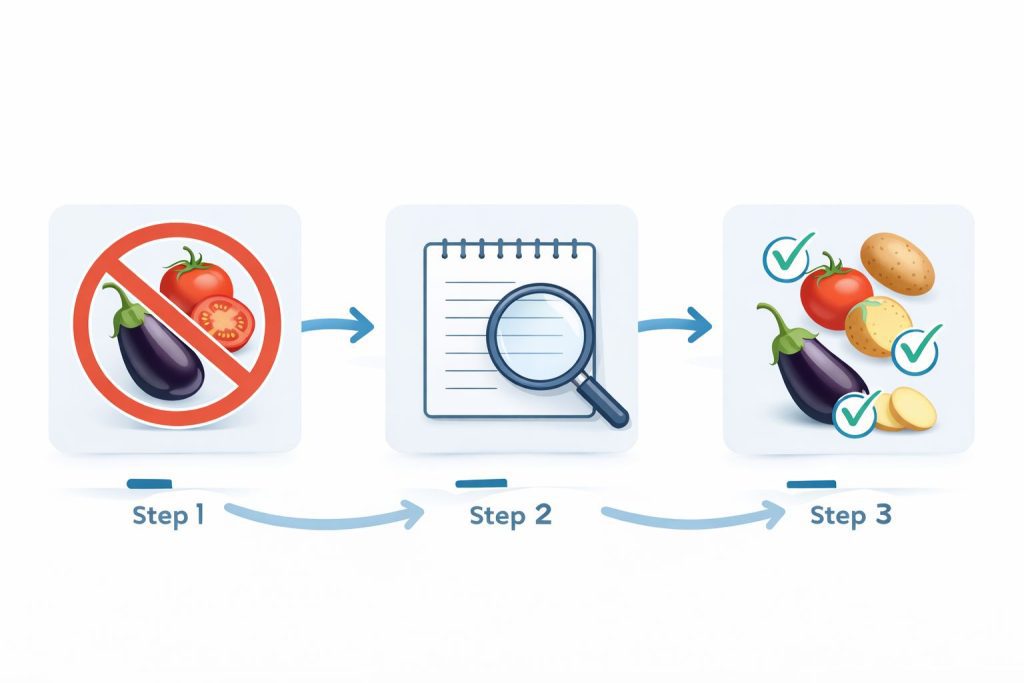
Observe reactions carefully.
What Science Says
There is limited scientific evidence proving that nightshades cause inflammation in healthy individuals. However, some people with autoimmune conditions may experience sensitivity.
According to Healthline, you can read a trusted medical explanation of nightshade vegetables.
Who Should Try This Test?
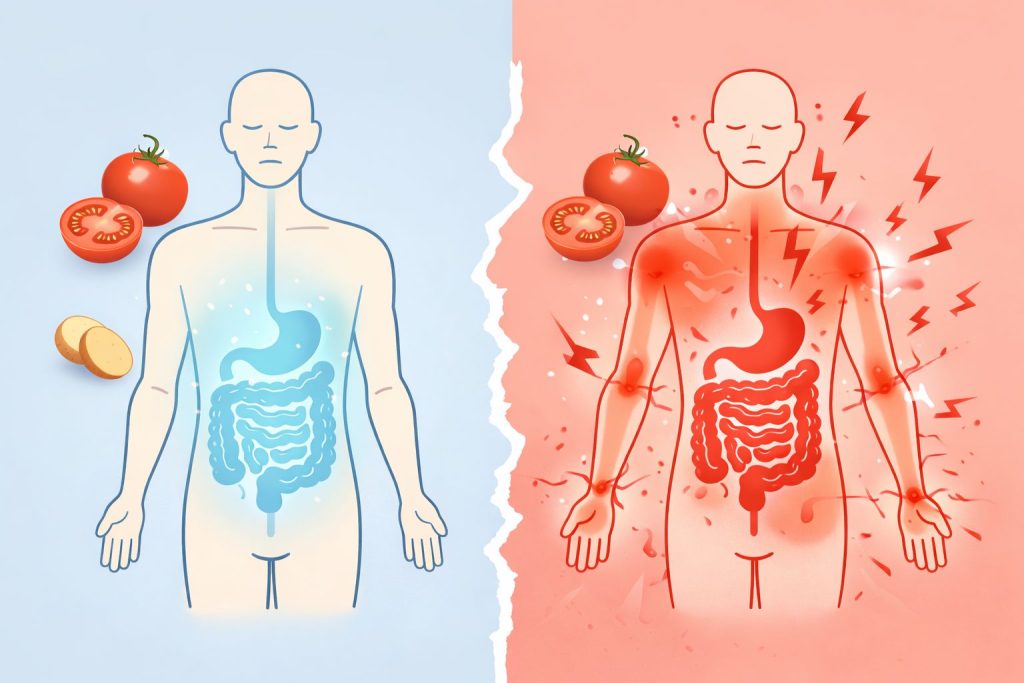
You should try this test if you have:
• Chronic inflammation
• Skin issues like acne
• Digestive problems
Who DOES NOT Need This Test?
If you:
• Feel healthy
• Have no symptoms
There is no need to avoid nightshade vegetables.
Final Verdict about Nightshade Vegetables Sensitivity
Nightshade vegetables are not harmful for most people, but if you suspect sensitivity, a simple elimination test can help you understand your body better.