
Introduction
Plants may seem passive, but they are far from defenseless. Since they cannot run away from threats, they rely on complex and fascinating survival mechanisms. Understanding how plants defend themselves reveals a hidden world of chemical signals, physical barriers, and natural intelligence.
Interestingly, some of these defense systems are also why certain foods affect humans differently. For example, compounds found in nightshade vegetables (learn more in our guide on hidden nightshade foods) are part of a plant’s natural protection system.
Some plants, like nightshades, produce natural compounds as part of their defense system. You can explore this in our guide on hidden nightshade foods.
How Plants Defend Themselves with Chemical Defense
One of the most effective ways plants protect themselves is through natural chemical compounds. These substances act as a built-in defense system, helping plants survive attacks from insects, animals, and environmental stress.
Instead of relying only on physical protection, many plants produce compounds that can:
• Taste bitter or unpleasant
• Interfere with digestion in predators
• Discourage repeated feeding
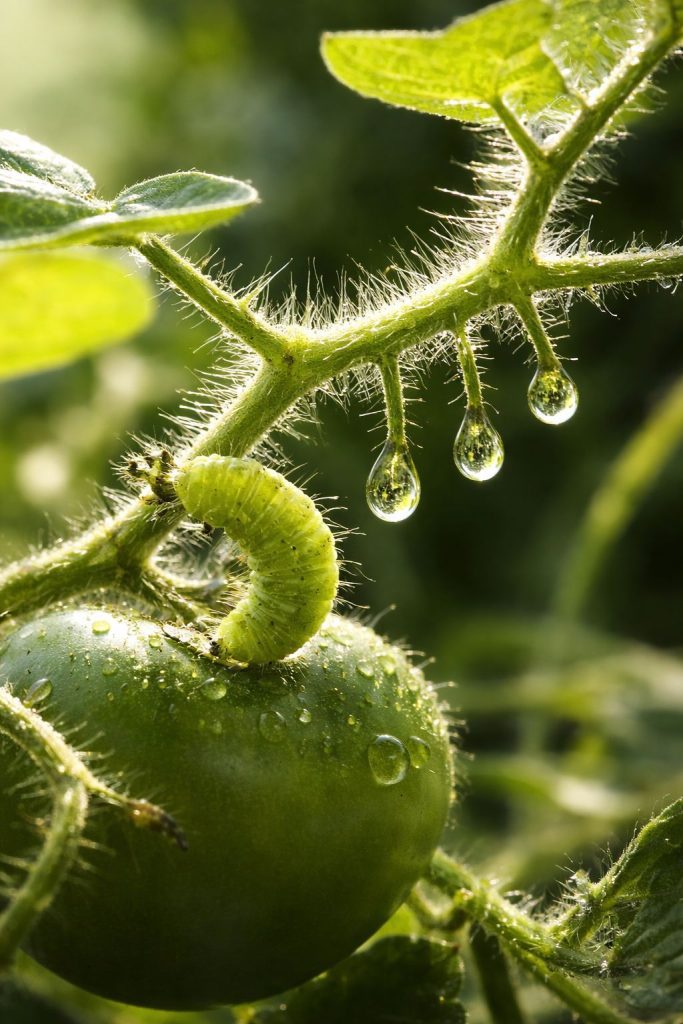
For example, some plants release protective substances when they are damaged, making them less appealing to herbivores. This is one reason why certain foods may feel irritating or difficult to tolerate for some individuals.
According to research from the National Institutes of Health (NIH): Plants produce these chemicals specifically to discourage predators from eating them.
These natural compounds are also found in foods we eat daily. For a detailed list, check our nightshade vegetables list.
Physical Defense: Built-In Protection
Not all defenses are chemical. Many plants use physical structures such as:
• Thorns
• Spines
• Thick leaves
• Waxy coatings
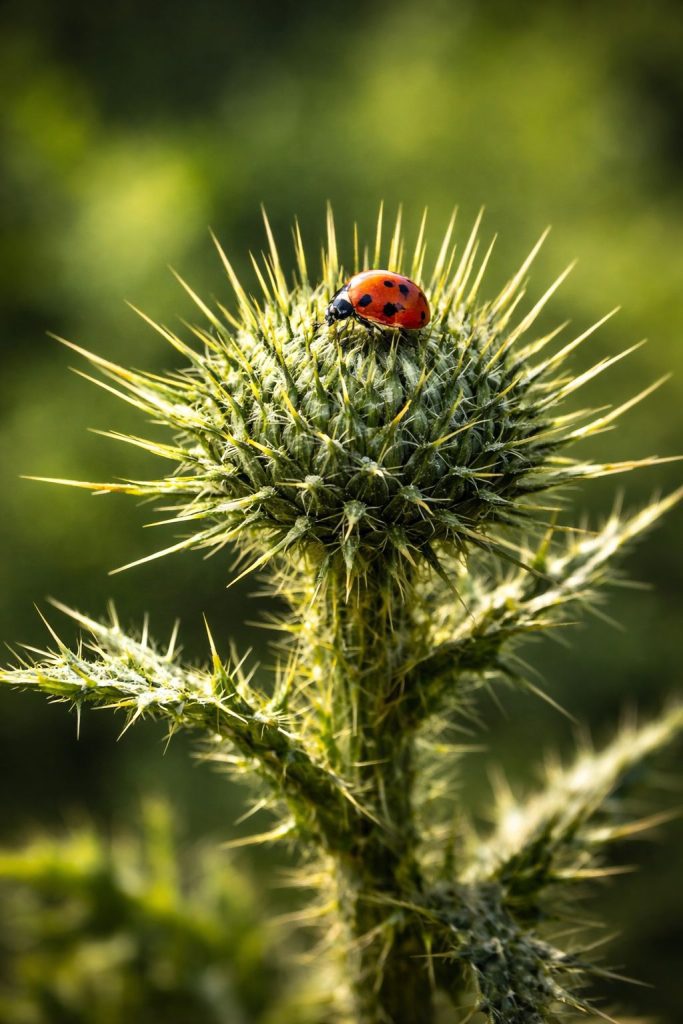
These features make it difficult or painful for animals to consume them.
A detailed explanation can be found at the Royal Botanic Gardens, Kew:
These physical defenses act as the first line of protection.
Warning Signals: Taste and Smell
Plants also send warning signals through:
• Strong smells
• Bitter taste
• Unpleasant textures
Think about how some vegetables taste slightly bitter — that’s often a natural defense mechanism.
As explained by Smithsonian Magazine:
These signals help prevent animals from repeatedly eating the same plant.
Interaction with Insects and Environment
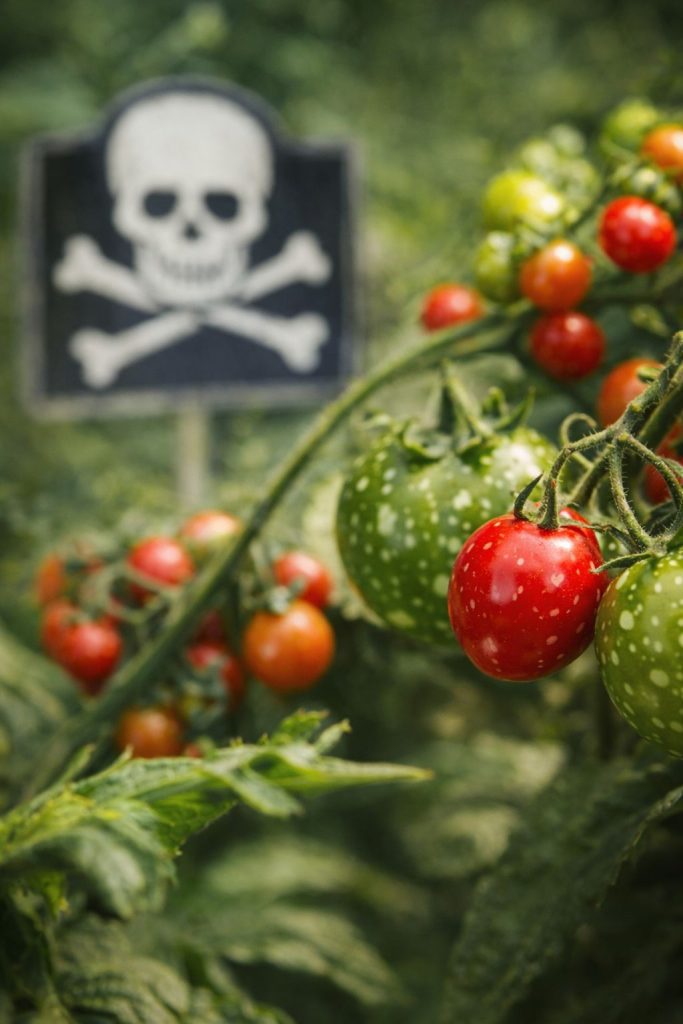
Plants can even “communicate” with their environment.
• Some release chemicals to attract predators of harmful insects
• Others change their chemical composition when attacked
This shows that plants are not passive — they actively respond to threats.
National Geographic explains this fascinating behavior:
Why This Matters for Humans
Understanding plant defense is important because:
• It explains why some foods contain natural compounds
• It helps us understand food sensitivities
• It gives insight into nutrition and health
For example, certain plant compounds may cause reactions in sensitive individuals, while others may provide health benefits.
If you’re exploring dietary choices, you might also find our nightshade-free meal plan helpful for understanding how these foods fit into your diet.
If you’re trying to reduce exposure, you might find our nightshade-free meal plan helpful.
Final Thoughts about how plants defend themselves
Plants may not move, but they are far from defenseless. Through chemical, physical, and environmental strategies, they have evolved highly effective ways to survive.
Understanding plant defense can help you make better food choices, especially when it comes to foods like nightshades.
Understanding how plants defend themselves not only deepens our appreciation of nature but also helps us make better decisions about the foods we eat.
Brilliant👍