
Introduction
If you’re trying to understand which foods belong to the nightshade family, you’re not alone. Many people search for a clear nightshade vegetables list to decide what they should eat and what they should avoid.
Learn more in our guide on What Are Nightshade Vegetables
Instead of focusing on definitions, this guide will help you take a practical approach—identifying common nightshade foods, hidden sources, and smart alternatives for a healthier diet.
Nightshade vegetables belong to the Solanaceae family, which is explained in detail on Wikipedia.
Complete Nightshade Vegetables List (Common Foods)
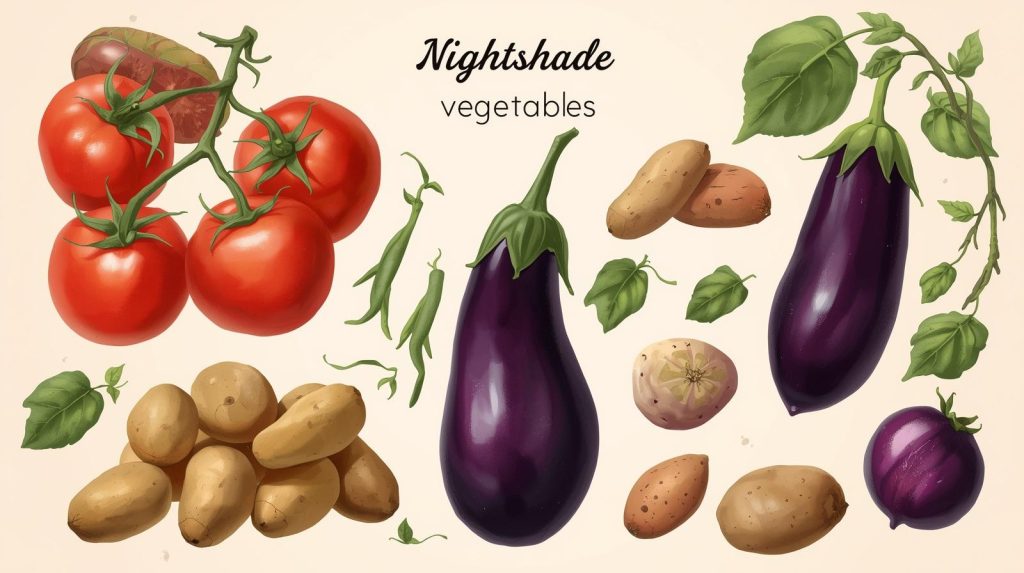
Here are the most common foods included in the nightshade vegetables list:
• Tomatoes
• Potatoes (white potatoes only)
• Eggplant (brinjal)
• Bell peppers
• Chili peppers
• Paprika
• Tomatillos
• Goji berries
These vegetables are widely used in everyday cooking and are part of many popular dishes.
Some lesser-known nightshade foods
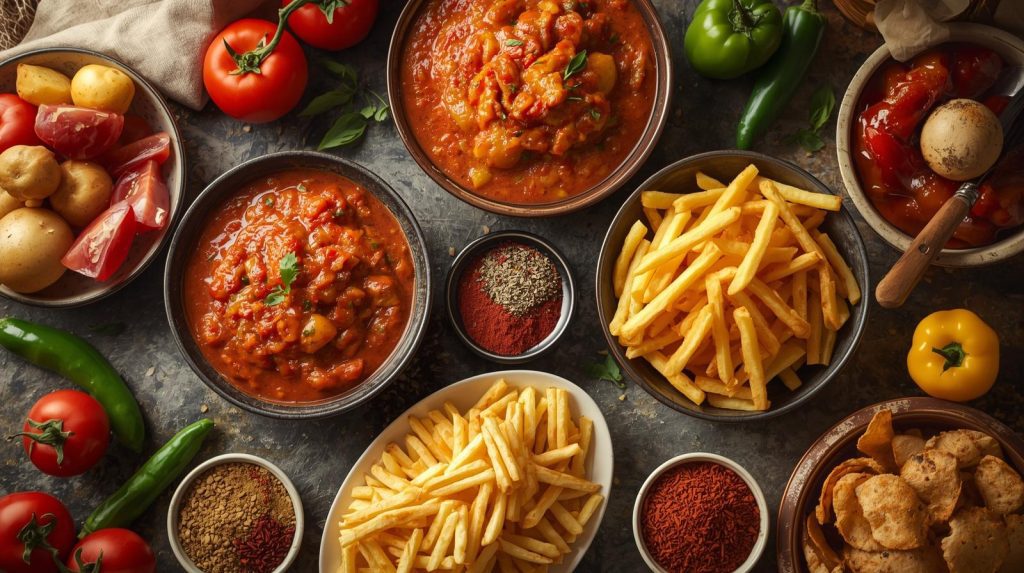
Many people only think about fresh vegetables, but nightshades are also present in processed and packaged foods.
Here are some hidden sources:
• Tomato sauces (ketchup, pasta sauce)
• Chili powder and spice blends
• Paprika seasoning
• Hot sauces
• Processed snacks with pepper flavor
If you are avoiding nightshades, checking food labels is very important.
Foods to Avoid from the Nightshade Vegetables List
If you are sensitive or following a special diet, you may want to avoid:
• Tomatoes and all tomato-based products
• White potatoes (chips, fries, mashed potatoes)
• Eggplant dishes
• All types of peppers (bell and spicy)
• Spices like paprika and chili powder
Avoiding these foods can help some people reduce inflammation or digestive discomfort.
According to Healthline, some people may be sensitive to nightshade vegetables and experience inflammation.
Nightshade Vegetables List in Everyday Foods
Many people don’t realize that foods from the nightshade vegetables list are used in a wide variety of everyday meals. These vegetables are not only eaten directly but are also included in sauces, spices, and packaged foods.
For example, tomatoes are commonly used in pasta sauces, ketchup, and soups. Potatoes are found in chips, fries, and processed snacks. Peppers are often used in spice mixes, fast food, and ready-made meals.
Because of this, even if you don’t eat these vegetables directly, you may still be consuming them in hidden forms. Understanding where these foods appear in your daily diet can help you make better food choices.
Foods You Can Eat Instead (Healthy Alternatives)
If you’re removing nightshades from your diet, here are some excellent alternatives:
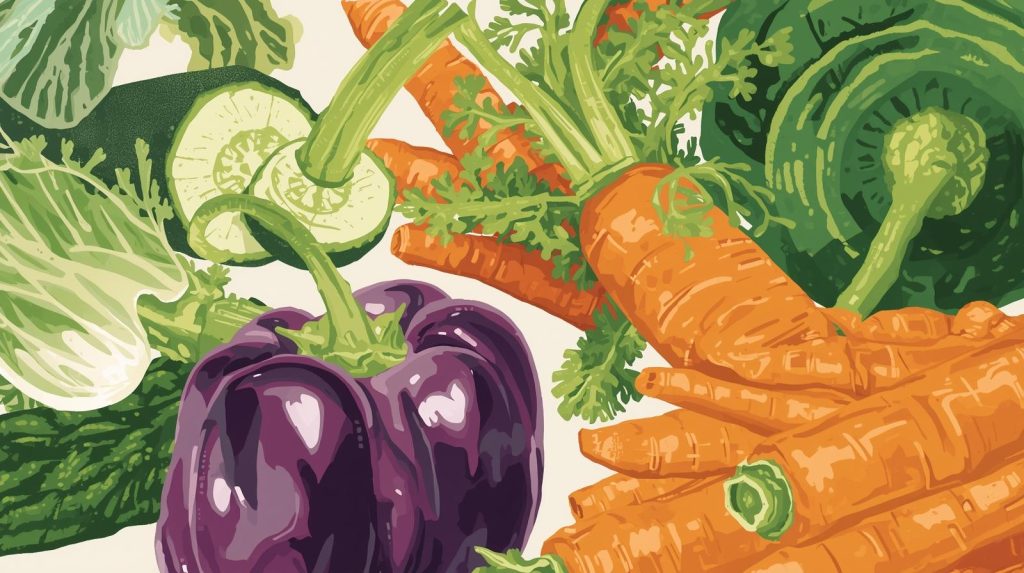
• Sweet potatoes (instead of white potatoes)
• Zucchini (instead of eggplant)
• Carrots (great for cooking and soups)
• Cucumbers (fresh and hydrating)
• Broccoli and cauliflower
These options are nutritious and suitable for most diets.
How to Follow a Nightshade-Free Diet
If you decide to avoid nightshades, follow these simple tips:
• Read ingredient labels carefully
• Cook fresh meals instead of processed foods
• Replace spices with herbs like turmeric or basil
• Plan your meals in advance
A gradual approach works best instead of removing everything at once.
Read about Nightshade Vegetables Benefits and Side Effects
Who Should Consider Avoiding Nightshade?
Not everyone needs to avoid nightshade vegetables, but some people may benefit:
• People with arthritis
• Those with autoimmune conditions
• Individuals with food sensitivities
If you’re unsure, try eliminating nightshades for a short period and monitor your body’s response.
Conclusion
Understanding the nightshade vegetables list is essential for making informed dietary choices. Whether you want to include them for their nutrients or avoid them due to sensitivities, knowing what to eat and what to avoid can make a big difference.
By focusing on whole foods and healthy alternatives, you can easily maintain a balanced and nutritious diet.
Great information 👍