
Introduction
Many people believe that there is a link between nightshade vegetables inflammation, especially when it comes to joint pain and arthritis. Foods like tomatoes, potatoes, and peppers are often blamed for causing inflammation in the body.
But is this really true? In this article, we will explore the facts, myths, and scientific evidence behind nightshade vegetables and inflammation
If you are new to this topic, you can first understand what nightshade vegetables are in our detailed guide on what are nightshade vegetables
What Is Inflammation?
Inflammation is the body’s natural response to injury or infection. It helps protect the body and promotes healing. There are two types of inflammation:
• Acute inflammation (short-term and helpful)
• Chronic inflammation (long-term and harmful)
Understanding this difference is important when discussing nightshade vegetables inflammation.
Inflammation is the body’s natural response to injury, as explained on Wikipedia.
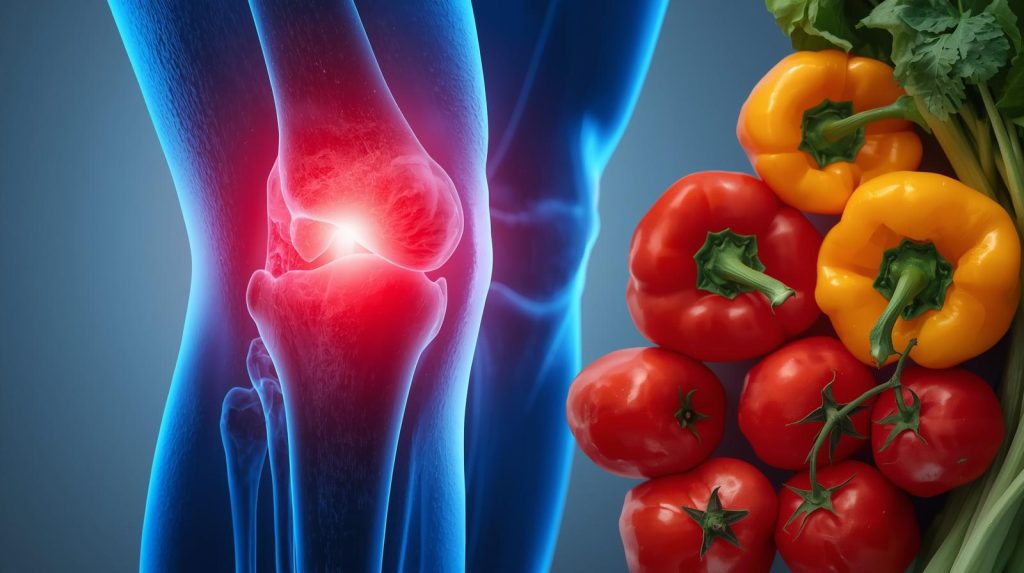
Do Nightshade Vegetables Cause Inflammation?
There is no strong scientific evidence that nightshade vegetables directly cause inflammation in most people. In fact, many nightshade vegetables contain nutrients and antioxidants that may help reduce inflammation.
However, some individuals report discomfort after eating these foods. This is usually due to personal sensitivity rather than a general harmful effect.
According to Healthline, there is no strong evidence that nightshade vegetables cause inflammation in most people.
Why Do People Think Nightshades Cause Inflammation?
The idea comes from compounds called alkaloids found in nightshade vegetables. Some believe these compounds can trigger inflammation, especially in people with joint issues.
Another reason is the connection with arthritis. Many people with arthritis avoid nightshades based on personal experiences, even though scientific evidence is limited.
Who Might Be Sensitive to Nightshade Vegetables?
While most people can safely eat nightshades, some individuals may be more sensitive:
• People with arthritis
• Those with autoimmune conditions
• Individuals with food sensitivities
If you notice discomfort after eating these foods, you may want to monitor your intake.
Signs of Nightshade Sensitivity
Some possible signs of sensitivity include:
• Joint pain
• Bloating or digestive issues
• Skin irritation
• Fatigue
These symptoms vary from person to person and are not experienced by everyone.

Should You Avoid Nightshade Vegetables?
For most people, there is no need to avoid nightshade vegetables. They are rich in vitamins, minerals, and antioxidants that support overall health.
However, if you suspect a link between nightshade vegetables inflammation and your symptoms, you can try reducing or eliminating them temporarily.
To learn more about their health impact, read our article on nightshade vegetables benefits and side effects
How to Test Nightshade Sensitivity (Elimination Method)
This is a simple and effective method:
1. Remove all nightshade vegetables from your diet for 2–3 weeks
2. Observe any changes in symptoms
3. Slowly reintroduce them one by one
4. Identify if any specific food causes discomfort
This approach helps you understand how your body reacts.
You can also explore the complete nightshade vegetables list to understand which foods belong to this group.
Conclusion
The connection between nightshade vegetables inflammation is often misunderstood. While some individuals may experience sensitivity, most people can safely include these foods in their diet.
Instead of avoiding them completely, it is better to observe your body’s response and make informed dietary choices.
Good Job👍