
Introduction
Nightshade vegetables are common in everyday diets, but many people wonder about their impact on skin health. The question of nightshade vegetables for skin has become popular, especially among those dealing with acne, inflammation, or sensitive skin.
Foods like tomatoes, potatoes, and peppers are often blamed for causing skin problems, but is this really true? Let’s explore the facts.
What Are Nightshade Vegetables?
Nightshade vegetables belong to the Solanaceae family and include foods such as:
• Tomatoes
• Potatoes
• Eggplant
• Bell peppers
• Chili peppers
These vegetables are rich in nutrients, but their effects on the skin can vary from person to person.
You can read more in our guide on what are nightshade vegetables.
Are Nightshade Vegetables Good for Skin?
In many cases, nightshade vegetables can actually benefit your skin.
✔ Benefits include:
• Rich in antioxidants
• High in vitamins A and C
• Support skin repair and glow
• Help fight free radicals
For example, tomatoes contain lycopene, which may help protect the skin from damage.
Learn more in our article on nightshade vegetables benefits and side effects.
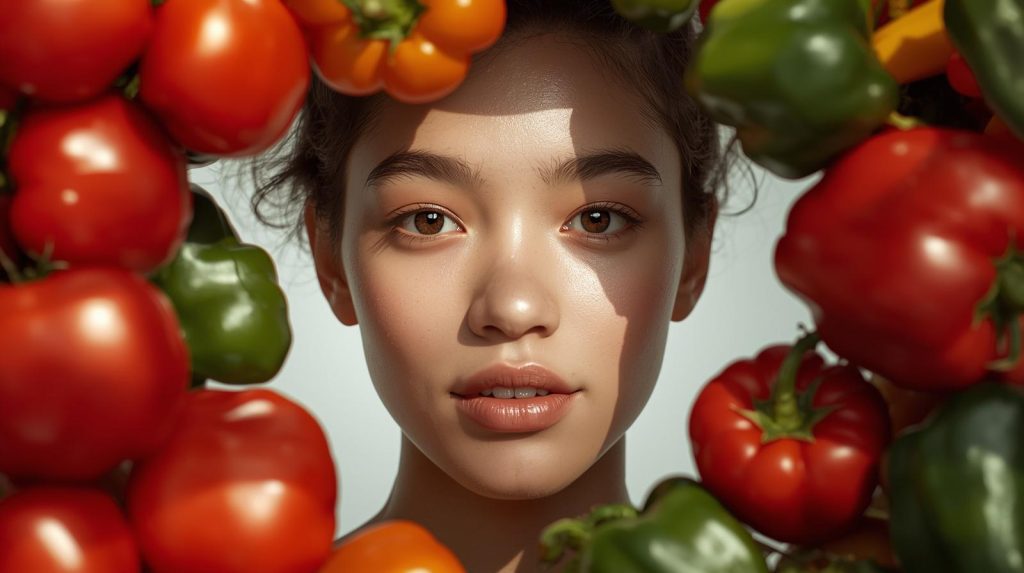
Can Nightshade Vegetables Cause Acne?
This is one of the most searched questions.
There is no strong scientific evidence that nightshade vegetables directly cause acne. However, some individuals may notice breakouts after consuming them.
Possible reasons include:
• Individual food sensitivity
• Inflammation response
• Hormonal imbalance (indirect)
This does not happen to everyone, but it can affect certain people.
According to Healthline, there is limited evidence linking nightshade vegetables directly to skin issues.
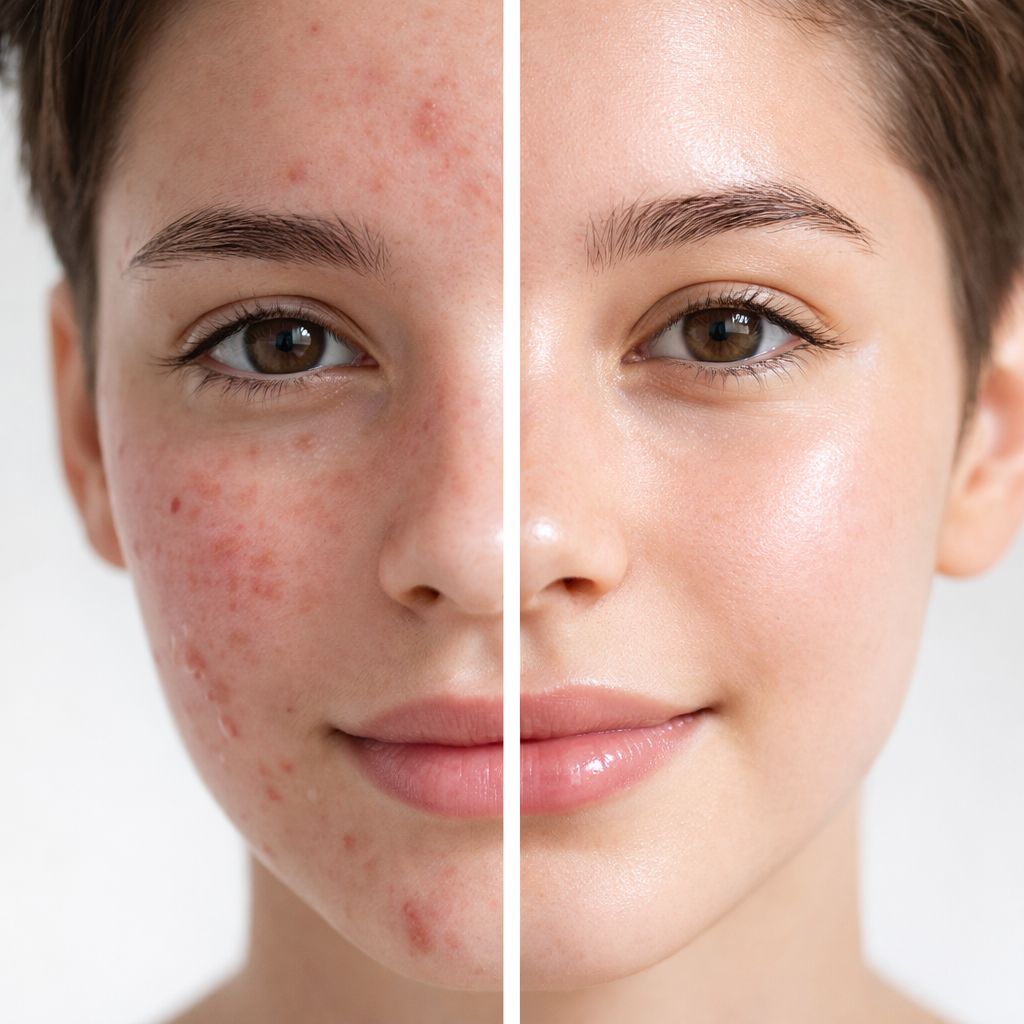
Nightshade Vegetables and Skin Inflammation
Some people believe that nightshades increase inflammation, which can affect the skin.
In sensitive individuals, this may lead to:
• Redness
• Acne flare-ups
• Skin irritation
Read our detailed guide on nightshade vegetables inflammation to understand this better.
Who Should Be Careful?
You may need to monitor your intake if you:
• Have acne-prone skin
• Experience frequent breakouts
• Have sensitive skin
• Notice reactions after eating nightshades
How to Test If Nightshades Affect Your Skin
The best way to find out is through a simple test:
1. Remove nightshade vegetables from your diet for 2–3 weeks
2. Observe changes in your skin
3. Slowly reintroduce them
4. Check if symptoms return
This method helps identify personal sensitivity.
The Cleveland Clinic explains that nightshade vegetables are generally safe and nutritious for most individuals.
Skin-Friendly Alternatives
If you suspect issues, you can try alternatives:
• Sweet potatoes
• Carrots
• Cucumbers
• Leafy greens
These are gentle on the skin and highly nutritious.
Conclusion
The effects of nightshade vegetables for skin depend on the individual. For most people, these vegetables are healthy and beneficial. However, if you notice skin issues, it may be worth testing your sensitivity.
Instead of completely avoiding them, focus on understanding how your body responds and make informed choices.
Great information 👍